Are Bi-Fold Doors Draughty or Well Insulated?
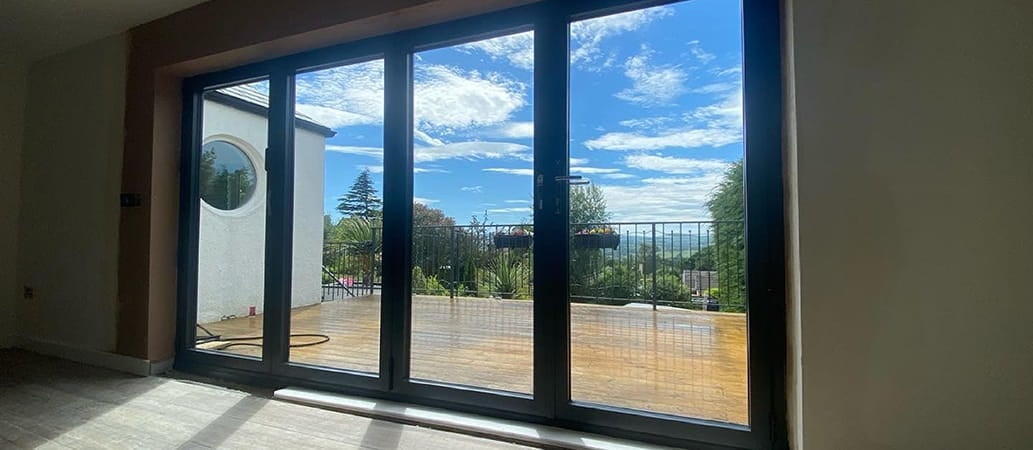
Bi-fold doors have become one of the most popular home improvement choices in the UK over the past decade, and it’s easy to see why. They open up a room in a way that very little else can, blurring the line between inside and outside and flooding your living space with natural light. But for anyone weighing up whether to invest in them, one question tends to come up pretty consistently: are bi-fold doors draughty?
It’s a fair thing to wonder. The idea of having a large glass door system spanning an entire wall of your home, with multiple folding panels and moving parts, doesn’t immediately conjure up images of snug winter evenings (particularly with our unpredictable British weather).
In this article, we’ll explain how modern bi-fold doors actually perform in terms of sealing and insulation, what can cause draught issues when they do occur, and what to look for when choosing a door system that will genuinely keep the cold out.
Are Bi-Fold Doors Naturally Draughty?
The good news is that the short answer is no, and it’s worth being clear about that from the outset.
You might have heard that these doors tend to let a breeze in. But in fact, bi-fold doors’ reputation for draughtiness is usually more a hangover from earlier, less advanced systems, or the result of poor installation rather than anything inherent to the design itself.
Modern bi-fold doors are engineered to seal effectively across multiple panel junctions, which is where most people assume the cold air would get in. The frames, glazing, and seals used in today’s systems are far more sophisticated than they were even ten years ago, and when a quality set of doors is specified correctly and fitted by a competent installer, there’s no reason they should perform any worse than a conventional door or window in terms of air infiltration.
The key phrase there is “specified correctly and fitted by a competent installer”! That’s because the performance of any bi-fold door system is only as good as the product itself and the quality of the installation. More on that shortly.
What Can Cause Draughts in Bi-Fold Doors?
While modern bi-fold doors are not inherently draughty, there are certain circumstances in which cold air can make itself known in your home, and understanding them makes it much easier to avoid them.
The most common cause of draught problems is poor installation. If the door frame hasn’t been fitted level and square, or if the panels haven’t been hung and adjusted correctly, the seals between the panels and around the perimeter of the frame won’t make consistent contact, and that’s where air will find its way through.
Bear in mind, though, that this isn’t a problem with bi-fold doors specifically; it’s a problem with any product that relies on precise alignment for its performance.
Worn or damaged seals are another culprit of draughtiness, particularly in older systems that haven’t been maintained. Brush seals, compression seals and rubber gaskets all degrade over time, especially if they’re exposed to lots of dirt or UV damage. Replacing them is usually straightforward, but if they’re left unchecked for long enough, the draught performance of the doors will suffer.
Misalignment caused by building movement is also worth mentioning. You’ll probably have heard those creaks and cracks (particularly if you’re in a new build); houses settle over time, and if a bi-fold door frame shifts even slightly out of true, it can affect how the panels close. Again, this is something that can be corrected with proper adjustment, but it does require attention.
The reassuring thing about all of these causes is that none of them are inevitable, and most of them are easily corrected. They’re the result of avoidable factors, whether that’s the specification you choose, the installer you use, or the maintenance routine you put in place.
The Importance of Proper Installation
There’s a reason why the quality of installation features so heavily in any honest discussion about bi-fold door performance. Even a genuinely excellent set of doors, built to the highest specifications and made by a quality manufacturer, will probably underperform if it’s been fitted poorly.
And trust us, it’s worth paying a little extra up front to get your bi-fold doors fitted properly: a well-installed system from a reputable supplier will deliver the kind of thermal and draught performance that makes that initial investment feel very worthwhile.
Getting your doors installed by an experienced fitter who understands the specific system you’ve chosen is one of the most important decisions you’ll make in the whole process. The tolerances (essentially, room for error) involved in aligning multiple folding door panels are tight, and cutting corners at the installation stage tends to create problems that are disproportionately difficult to fix later.
It’s also worth making sure your installer uses the correct sealants, fixings and other threshold components for your specific situation; particularly if your floor level or building fabric creates any unusual conditions. Any good supplier worth their salt will be able to advise on what the installation should involve before you commit, which is always time well spent.
How Modern Bi-Fold Doors Are Designed for Insulation
Understanding why modern bi-fold doors perform well thermally requires a quick look at the engineering behind them.
Most manufacturers have invested significantly in the technology that sits inside the frames and panels themselves. The result is a product that handles the demands of the UK climate a great deal better than many people expect (and significantly better than the door systems of the past).
Thermal Break Technology in Aluminium Frames
Aluminium is the material of choice for most quality bi-fold door frames (because of its strength and the slim sightlines it allows), but raw aluminium is a very efficient conductor of heat, which isn’t ideal when you’re trying to keep warmth inside your home. The solution for bi-fold doors is thermal break technology.
A thermal break is a section of non-conductive material, usually a rigid polyamide or polyurethane foam core, that’s inserted between the inner and outer sections of the aluminium doorframe. This essentially interrupts the path along which heat would otherwise transfer directly through the metal, significantly improving the thermal performance of the frame itself.
In practical terms, a thermal break means that even when temperatures outside are low, the inner face of the frame stays closer to room temperature, reducing condensation and heat loss for you inside.
High-Performance Double or Triple Glazing
The glazing in a modern bi-fold door system does a significant amount of the thermal heavy lifting. Double-glazed units are standard in quality systems and typically feature an argon gas fill between the window panes, (argon conducts heat less easily than air), as well as a low-emissive (low-E) coating on one of the inner surfaces that reflects heat back into the room rather than allowing it to escape through the glass.
Triple glazing takes this efficiency even further by adding a third pane and a second gas-filled cavity, reducing heat loss even more. For homeowners in particularly exposed locations, or those who prioritise energy efficiency above all else, triple glazing is worth discussing with your supplier, though a well-specified double-glazed unit will already meet UK building regulations comfortably for most applications.
Quality Weather Seals and Gaskets
The seals in a bi-fold door system are what prevent air from moving through the gaps between panels and around the perimeter of the frame. In a modern system there will typically be several of them working in combination. Brush seals, compression gaskets, and fin seals each address different parts of the door’s perimeter, creating multiple barriers against air leakage, rather than relying on a single point of contact.
High-quality seals are specifically made to be durable and resistant to compression set (permanent damage to the door after force has been applied to it). This means that they maintain their shape and effectiveness over many years of use rather than flattening out and losing their sealing ability. This is one of the areas where choosing a reputable system over a budget alternative really can make a noticeable difference in long-term performance.
Tight Frame Alignment and Engineering Precision
Modern bi-fold door systems are manufactured to very tight tolerances, using CNC machining and precision engineering to ensure that panels, frames, and hardware components all fit together snugly and accurately. This is important because even small variances in the dimensions of the panels or their hardware can affect how consistently the seals make contact when the doors are closed.
It’s also why the choice of hardware matters just as much as the choice of frame profile itself. Things like quality rollers, hinges, and locking mechanisms all play a part in how accurately the doors close and how long they continue to close accurately through years of regular use.
Are Bi-Fold Doors Energy Efficient in the UK Climate?
Let’s talk efficiency. Modern bi-fold doors (when correctly specified and installed!) can absolutely be energy efficient in UK conditions. The thermal break technology, advanced glazing, and multi-point sealing systems described above are designed specifically to handle the combination of cold winters, mild and damp springs, and the occasional spell of proper summer heat that characterises the British climate.
It’s also worth noting that many bi-fold door systems are now available with U-values (the measure of how quickly heat passes through a building element) that meet or exceed current UK building regulations. For newer extensions or new-build homes, this is actually a requirement rather than a nice-to-have, and it means that the standard of insulation in modern systems has been pulled upward across the whole industry.
From a practical energy efficiency standpoint, bi-fold doors that cover a large south-facing opening can also work in your favour during winter daylight hours, allowing the sun to passively warm the room when it’s low in the sky, which partially offsets some heat loss during colder evenings.
How to Ensure Your Bi-Fold Doors Stay Draught-Free
Once you have quality bi-fold doors installed correctly, keeping them performing well is more about straightforward routine maintenance rather than anything complicated or time-consuming.
Checking the seals every now and then is another good habit to develop. Run your hand along the edges of the doors when they’re closed to feel for any cold air coming through, and visually inspect the brush seals and gaskets for signs of wear or damage. Seals are generally not too expensive to replace, and can make a significant difference to draught performance if they’ve worn down.
Keeping the tracks and rollers clean is also important. Dirt and debris in the bottom track (e.g. small stones or twigs from outside) can prevent panels from fully closing or cause the rollers to wear unevenly, which affects alignment over time. A quick vacuum and a wipe-down with a damp cloth a few times a year is usually enough, though check the manufacturer’s guidance for your specific system.
If you notice that the doors have become harder to operate, move stiffly, or that they no longer close as flush as they once did, it’s worth having them adjusted before the issue gets any worse. Most bi-fold door systems allow for adjustment at the hinges and rollers, and a good fitter can usually correct minor misalignment relatively quickly. Addressing it early is always easier than addressing it later, and significantly cheaper too!
Get Advice on Bi-Fold Doors from National Plastics
If you’re thinking about adding bi-fold doors to your property and want to talk through the options with someone who knows the products well, visit a National Plastics branch near you to chat to our knowledgeable experts. We supply a range of bi-fold door systems and can offer guidance on specification, glazing options, and what to look for in terms of thermal performance based on your specific project.
FAQs
Are bi-fold doors draughty?
Modern bi-fold doors are not automatically draughty. When they’re correctly specified and installed, they use multi-point weather seals, precision-engineered frames, and quality gaskets to create an effective barrier against cold air. Any draught issues that do arise are usually down to poor installation or worn seals rather than anything inherent to the design; both of which are avoidable with the right supplier and a bit of routine maintenance.
Are bi-fold doors energy efficient?
Yes, modern bi-fold doors can be genuinely energy efficient. Systems featuring thermal break technology in aluminium frames, argon-filled double or triple glazing, and high-performance weather seals are designed to minimise heat loss and can meet or exceed current UK building regulations in terms of U-values. South-facing bi-fold doors can even contribute to passive solar heat during winter, helping to naturally warm the room during daylight hours.
What causes draughts in bi-fold doors?
The most common causes of draughts are poor installation, misaligned panels, and worn or damaged seals. If the frame isn’t fitted perfectly level and square, the seals won’t make consistent contact across all the panel junctions, which is where cold air tends to find its way in. Regular maintenance (e.g. checking seals, cleaning tracks, and having any misalignment corrected early) goes a long way toward preventing this.
Do bi-fold doors need a lot of maintenance?
Bi-fold doors are relatively low-maintenance, but they do benefit from routine care to keep performing well. Cleaning the tracks and rollers a few times a year, inspecting the seals for wear, and checking that the panels still close flush are all straightforward tasks that help maintain draught and thermal performance for the long term. If the doors start to feel stiff or don’t close as smoothly as they used to, it’s worth having them adjusted sooner rather than later.
What is a thermal break and why does it matter?
thermal break is a strip of non-conductive material, typically polyamide or polyurethane, inserted between the inner and outer sections of an aluminium frame. Because aluminium conducts heat very efficiently, without a thermal break the frame itself becomes a pathway for warmth to escape from your home. The thermal break interrupts that transfer, keeping the interior face of the frame closer to room temperature and significantly improving the overall insulation of the door system.
Are bi-fold doors suitable for UK weather?
Yes. Modern bi-fold door systems are designed with the UK climate in mind, handling everything from persistent winter cold and damp to the occasional real summer. Properly specified doors with thermal breaks, quality glazing, and robust weather seals will perform well year-round, whatever the weather. The key is choosing a well-engineered system and ensuring it’s installed correctly, both of which are things the team at National Plastics can advise on.