How to Choose the Best Decking: Composite vs UPVC
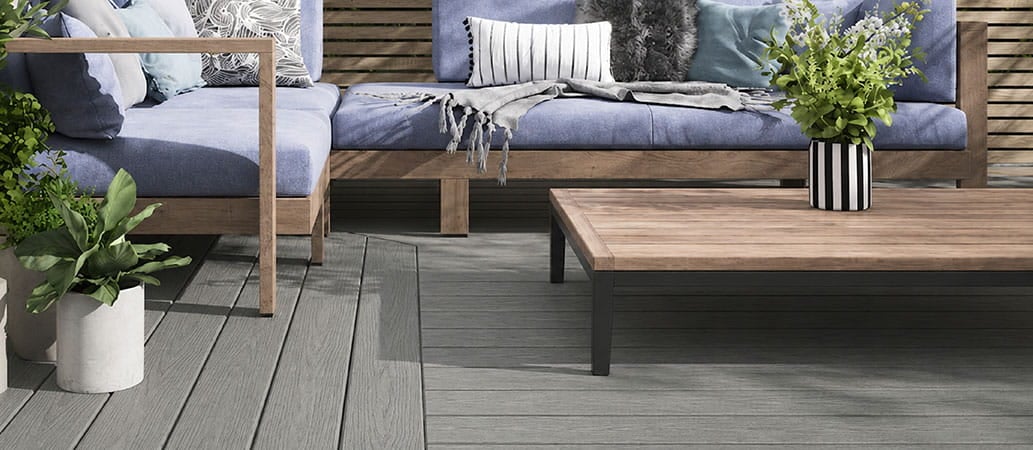
The garden decking market has come a long way from the days when your main choice was timber or... more timber. These days, there are two main alternatives to traditional wood that are worth knowing about: composite decking composite decking and UPVC decking.
Both are lower maintenance than timber, and both are made largely from plastic materials. But there are some important differences between the two decking types that should genuinely influence which one you choose.
If you're weighing up the options for your garden and building the perfect outdoor living space, outdoor living space here's a clear-headed guide to help you make the right call between these two popular materials.
What's the difference between composite and UPVC decking?This is where it helps to understand specifically what these two materials actually are, because the names don't always make it obvious.
Composite decking (sometimes called WPC, or wood plastic composite) is made from a blend of recycled wood fibres and plastic polymers. The result is a board that genuinely looks and feels like timber… but performs far better and doesn't need anywhere near the same level of maintenance. It's the most popular alternative to wood decking in the UK right now, and it's not hard to see why.
UPVC decking is made entirely from unplasticised polyvinyl chloride, which is the same material often used in window frames, fascias, and guttering. There's no wood content at all, which means it's completely immune to rot and doesn't absorb any water. On paper, that sounds like an advantage. In practice, as we'll get to shortly, it comes with some significant trade-offs that you’ll need to think about when you’re planning your decking.
Composite vs UPVC: which looks better?
This one isn't really a close contest. Composite decking is specifically designed to reproduce the appearance of natural timber, with a wood grain texture, warm tones, and the kind of depth that makes a garden feel like a proper outdoor room. Modern composite boards have come a long way in terms of aesthetics and can be genuinely difficult to distinguish from real wood at a glance.
UPVC decking, by contrast, looks like what it is: plastic. The boards tend to have a flat, uniform appearance without the texture or warmth of wood grain, and over time UPVC can yellow or become chalky from UV exposure in a way that composite is specifically engineered to resist. If kerb appeal and the overall look of your outdoor space matters to you, composite is the clear winner.
Is UPVC decking safe?
This is probably the most important practical difference between the two materials, and it's one that doesn't always get enough attention in comparison guides.
UPVC decking is notoriously slippery when wet. Because the surface is completely smooth and non-porous, it offers very little grip when it gets rained on, which in the UK unfortunately means a significant portion of the year. For families with young children, elderly relatives, or pets, this is a genuine safety concern rather than a minor inconvenience.
Composite decking is actually designed to address this directly. The textured, wood grain surface provides meaningful grip underfoot even after one of those quintessentially British downpours, which is one of the reasons it's become the preferred choice for garden designers and homeowners who want a deck they can actually use safely year-round. If you've ever skidded on a wet plastic surface in socks (or even trainers!), you'll understand why this matters more than it might initially seem.
Composite vs UPVC decking maintenance
Both these decking materials have a significant advantage over timber when it comes to maintenance, and this is genuinely true of both. Neither needs sanding, staining, oiling or treating. So don’t worry, you’re not going to be spending your first sunny Bank Holiday weekend of the year on your hands and knees with a paintbrush. Well, unless you want to.
That said, composite and UPVC decking aren't identical when it comes to maintenance. UPVC doesn't absorb water, which means it won't host mould in the same way wood can. But it does attract surface dirt and grime, and the smooth surface means debris can sit on it rather than draining away. Composite boards will benefit from a quick wash with soapy water a couple of times a year, though the textured surface actually means dirt is less likely to build up in visible patches.
Either way, you're looking at minimal maintenance compared to timber, but composite tends to keep looking better for longer with even less effort.
Which is better for the environment?
If sustainability is an important concern, composite decking has a meaningful advantage here. Quality composite boards, including the Ecodek range here at National Plastics, are made using recycled materials, typically a mix of reclaimed wood fibres and recycled plastics. That means a composite deck is actively making use of materials that would otherwise go to landfill.
UPVC is a synthetic plastic and, while it's long-lasting, its production is more resource-intensive and it's harder to recycle at the end of its life. For homeowners who are thinking about the environmental impact of their choices, composite is the more responsible option.
Composite vs UPVC decking: the verdict
Let’s look at all the facts, shall we?
| Feature | UPVC Decking | Composite Decking (Ecodek) |
|---|---|---|
| Appearance | Uniform, plastic look. Can yellow with UV over time. | Natural wood grain effect. UV-resistant and colour-stable. |
| Slip resistance | Very slippery when wet, which can pose a genuine safety risk. | The textured surface provides grip even after rain. |
| Maintenance | Low: wipe clean, no treating required. | Low: an occasional wash keeps it looking great. |
| Water absorption | Zero: fully waterproof. | Minimal: engineered to resist moisture and rot. |
| Lifespan | 20 to 30+ years. | 25+ years. Built to last. |
| Eco-friendliness | Synthetic plastic, harder to recycle. | Often made from recycled materials. |
| Upfront cost | Typically lower. | Mid-range, so long-term value is strong. |
| Overall | A workable option but with significant limitations. | The better all-round choice for most gardens. |
Why buy composite decking from National Plastics?
Whether you're ready to order now or still working out what you need, the team at National Plastics is here to help.
You can browse our composite decking range online, or pop into your local branch to see the boards in person and get a proper sense of the colours and textures before you commit. Our team can help you work out quantities, talk through installation, and make sure you've got everything you need to get the job done right.
Ready to transform your garden? We've got you covered.