Are Bi-Fold Doors Reliable? A Guide to Year-Round Performance
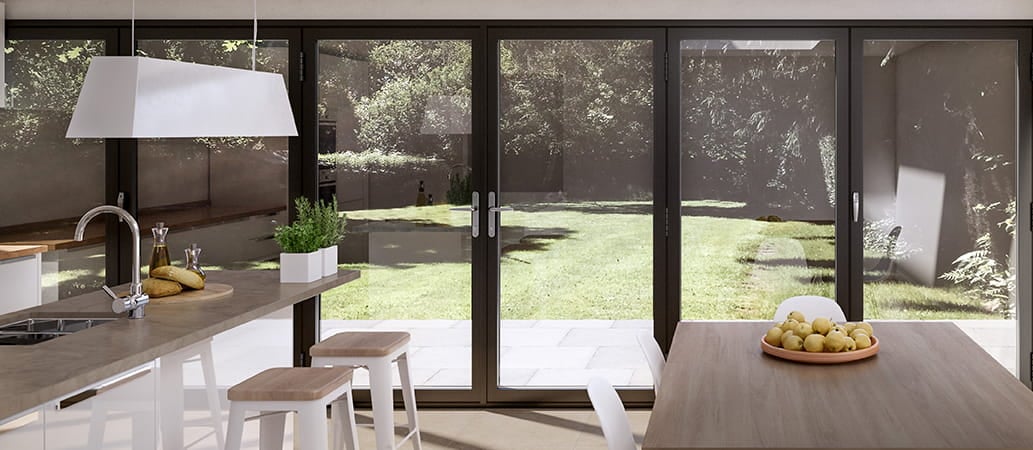
So you’re thinking about investing in bi-fold doors. Perhaps it’s to open up a kitchen or dining room space to let in more natural light, perhaps it’s part of a bigger renovation project. Whatever the reason, chances are you’re thinking about reliability as just as big a factor as aesthetics: will they keep the weather out (and the heat in), will they be secure, and will those hard-working hinges stay reliable after years of wear and tear?
We’ll walk through the answers to all those questions below, along with tips on how to choose the most reliable bi-fold doors for whatever project you’re working on.
How Modern Bi-Fold Doors Are Designed for Reliability
Modern bi-fold doors are designed with all the demands of everyday life in mind. That is, any good door manufacturer worth their salt will know that hinges are likely to take a beating, that energy bills and heating are huge concerns for today’s homeowners, and that door seals need to be weathertight whatever the climate decides to throw at them.
When it comes to reliability for doors, it’s not all decided through one singular element; every component of the door needs to do its job, rather than one standout feature. The four main contributors to bi-fold door reliability are the frame material, the running hardware, an effective weather sealing system, and a secure locking system.
You might remember the bi-fold doors of the past being a bit temperamental, prone to jammed hinges, draughty seals, and generally glitchy performance. The good news is that today’s bi-fold doors are a significant step (leap, really) forward. The actual frame and pane materials are sturdier, the mechanisms are more advanced, and installation is much more reliable.
That said, while you might hear that you can afford to go for the budget option with certain building materials, you really shouldn’t skimp on your choice of door system. With bi-fold configurations, quality matters a whole lot, since all the components interact with each other; so a good frame with cheaper seals, or good seals with a poor installation alignment, will cause you trouble down the road.
Let’s dig into the individual parts that make good quality bi-folds so reliable.
Weather Seals and Thermal Performance
The weather seals around the bi-fold frames are incredibly important for comfort and efficiency against the elements.
Bi-fold door seal systems usually use two materials: TPE (thermoplastic elastomer) rubber gaskets, and woodpile or brush seals. The gaskets essentially function as compression seals all around the edge of the door frame and between panels. The seals work in combination with the door’s multi-locking system; when the handle is lifted and the door locked, the locking points should pull the frame tight against the perimeter seals, compressing them down for an airtight close.
There’s a common misconception that bi-fold doors prioritise a wide opening over a tight seal… in other words, lots of people assume they’re draughty. However, a well-sealed modern bi-fold door shouldn’t perform any worse on draught exclusion than any other properly fitted external door. The fit and quality is key.
Seal failure (or excessive wear) is the most common cause of draughts and water ingress for older bi-folds; this isn’t an inherent design flaw or a reason to stay away from all folding doors, it just means you need to invest in quality systems and keep an eye on maintenance. Seals should typically be inspected every 3-6 months or so, and replaced if you notice any cracks or hardening.
It’s also worth noting that effective weather sealing also contributes massively to thermal performance across all seasons of the year. They’ll prevent cold air getting in through the frame, working alongside glazing and thermal breaks in the frame itself.
High-Quality Hardware and Running Gear
Within the door system itself, parts like hinges, rollers, tracks, and handles all play their role in maintaining the smooth day-to-day operation of the door. Put simply, properly maintained and well-designed running gear helps bi-fold doors open and close reliably over time.
The main moveable parts of a bi-fold door system are:
- Top-hung rollers (or bottom track wheels)
- Hinges between door panels
- Pivot hinges at the door jamb
- Handle and locking hardware
Overall, top-hung systems are usually the quality standard: this way the door weight is all carried from above, keeping the bottom track free and significantly reducing wear and tear. Look for precision ball-bearing rollers, which distribute the weight evenly to reduce friction on the door track system.
Hinges themselves are tested vigorously to make sure they’re up to the task; quality hinges are usually tested to 200,000+ operating cycles (rollers up to 100,000 cycles), which is the equivalent of decades of daily use. Adjustable hinges are also an important part of modern systems; they allow minor corrections in alignment without major adjustments. That’s important to keep doors closing flush as the building settles over time (so is a particularly important consideration for new-build homes!).
For a truly reliable system, hardware needs to be rated for the relevant panel weight. Heavier glazed panels (e.g. triple or quadruple glazing) need hinges and rollers with higher capacity to hold them up. Undersized (read: weak) hardware will lead to sagging, stiffer operation, and faster wear and tear.
When you’re choosing hardware, aluminium and stainless steel options (with anti-corrosion treatment) tend to last significantly longer than alternatives, particularly for high-humidity or coastal settings.
Durable Frame Materials
There are two main frame materials for UK bi-fold door systems: aluminium windows and uPVC windows. Both offer good performance overall and require significantly less maintenance than timber frames, but have different features:
Aluminium Bi-Fold Frames
- Offer the highest durability between the two materials. Strength is in-built, and aluminium resists warping, fading, and surface cracking.
- Because aluminium is a good conductor of heat, door panes will need a thermal break (see below) for maximum energy efficiency.
- The powder-coated finish of aluminium door frames is guaranteed for up to 20 for most quality systems, with low maintenance required
- White uPVC frames can sometimes look tired after several years without consistent maintenance (a wipe down to keep dirt and grime off).
- Wider profiles for doors are generally needed, since uPVC has a lower inherent strength to support hardware and pane weight.
uPVC Bi-Fold Frames
- uPVC is generally a lower cost option, since aluminium is typically more durable.
- Because plastic is a poor conductor, uPVC is inherently thermally efficient, with no separate thermal break needed.
- ● Usually guaranteed for around 10 years.
- Coastal properties should check the right marine-grade powder coating is used, as high-salt environments can corrode improperly finished aluminium
Secure Locking Systems
Modern bi-fold doors use multi-point locking (MPL). In practice, that means that locking points engage at the same time at multiple positions all around the frame when the handle is operated. Common configurations include 3, 5, or 8-point systems (some premium systems lock at more points). A full bi-fold installation with 5-point locking per panel can have dozens of locking points over the whole door system, which makes forced entry extremely difficult.
To operate a secure bi-fold locking system, you’ll usually lift the door handle to engage the locking points before turning the key or thumbturn to lock. It’s a simple and consistently reliable system that’s designed for everyday use.
PAS 24 is the UK security standard for locks like this; the standard tests doors against methods burglars might use and meets specific technical requirements; look out for this standard when you’re specifying doors.
It’s worth noting that internally beaded window glazing is actually related to security as much as efficiency: the glazing bead (the trim that keeps the glass in the frame) is on the inside, which prevents panes being lifted off from outside.
Similarly, locking is also related to efficiency. As much as it’s obviously important for security, a multi-point lock will also pull the door frame firmly against seals, improving airtightness and draught exclusion.
How Bi-Fold Doors Perform Throughout the Seasons
When you’re contending with UK weather, you need to know that a bi-fold door is reliable through wind, rain, heat, frost, sleet, and more. Bi-fold doors are extremely suitable for UK homes, as long as the components are quality and the door is installed correctly.
Winter Performance
Lots of customers have the same concern: are bi-fold doors cold in winter and too hot in the summer? The idea that bi-fold doors make rooms cold comes from older, outdated systems. Three main components work together to keep heat inside during the winter:
-
Thermal break (in aluminium frames)
A polyamide barrier is built into aluminium bi-fold frames, separating the inner and outer parts. Polyamide is less conductive than aluminium, so it interrupts heat flowing through the door. Without a break, cold can travel directly through the aluminium frame and create cold spots or condensation on the inner window face.
-
Glazing
For most UK homes, double glazing with low-E coating, an argon gas fill, and a warm-edge spacer bar is the best all-round choice for bi-fold glazing. Triple glazing offers even better thermal efficiency, so is worth considering for rooms that tend to get colder quickly (or north-facing rooms).
Aluminium bi-fold frames can accommodate triple glazing because the material itself is stronger; uPVC might struggle with the additional weight.
-
Weather seals
The perimeter seals on bi-fold doors are what stop cold air getting in around the frame edge. Panel-to-panel seals stop air moving between door leaves when they're closed, and multi-locking compresses those seals even more when the door is locked.
A proper install is crucial when it comes to seals: even the best-specified system with strong seals will likely underperform if the door panels are misaligned or the door isn’t properly bedded during fitting.
Summer Performance
Most people automatically think of summer when they’re talking about bi-fold doors: the idea of throwing them open to let the warmth and sunlight in. That ability to open up completely is where bi-folds really shine; the same door that keeps the cold out during the winter turns into a wide opening to let fresh air in.
The bi-fold panels fold completely against each other, creating an unobstructed opening that's much wider than any typical single or French door setup. That comes with a few major benefits, including ventilation and light.
With bi-folds, you can create cross-ventilation with open windows on the other side of the room or property, drawing fresh airflow throughout the home. That natural ventilation often means cutting down on electric fans too, which is another efficiency benefit. Even when they’re closed, bi-folds let in a huge amount of natural light. The larger glass panels let in significantly more light than a traditional door/window combination.
Performance in Wind and Rain
Obviously, any building material in the UK needs to be able to cope with wind and rain. Proper installation is a huge part of this: ensuring seals are tight and rainwater has somewhere to drain off to.
Quality bi-fold doors are tested and rated against three main standards:
- BS EN 12207 (Air-permeability)
- BS EN 12208 (Watertightness)
- BS EN 12210 (Wind load resistance)
Drainage for rain is a particularly important element for rain resistance that some cheaper systems tend to overlook. There are two main types of drainage systems: face (where water collected at the sill drains via the outer face), and concealed (where water goes through a channel in the polyamide break and drains out through the sill for a cleaner look).
The actual window threshold itself can also impact weather performance. More flush (low profile) options are often better for accessibility since they’re level with the garden outside, but they can be slightly more exposed to the elements. Raised thresholds for bi-fold doors offer better weather protection and resistance but have a small step down onto the ground level.
How to Maintain Bi-Fold Doors
Once you’ve got your quality system, you need to take care of it. The good news is that bi-fold doors are designed to be low-maintenance, and in practice they are. Keeping them rolling in good working order comes down to a couple of consistent habits rather than anything too taxing; getting into a routine every three or six months is enough to make a proper difference to performance in the long term.
The door track is the most important thing to keep an eye on. Dust, grit, small stones, and other debris can build up over time, and once they start to affect the rollers, you'll notice a difference in the door opening. Usually, a quick once-over with a thin vacuum nozzle and a small brush in the corners should take care of any minor debris.
Lubrication is another important task, and it's worth doing every few months automatically, rather than waiting for the doors to feel stiff. Use a non-greasy silicone spray on the hardware (locking points, hinges, handles, rollers). Despite popular belief, WD40 isn't actually the right product to reach for here: it's too thin and leaves a residue that can block everything up. Apply the right spray and wipe away any major excess.
While you're doing that, it's worth having a check of the seals too. Clean with soapy water and a soft cloth and keep an eye out for any sections that are hardening or cracking. Replacing worn seals is a fairly low-cost repair that has an impact on draught exclusion and thermal performance.
If your bi-fold doors start to feel a little stiff, it's worth checking alignment before assuming there's a more significant problem. Most quality bi-folds have adjustable hinges that will allow minor corrections over time, which can often happen just from the natural settling of a house over time. If you're not sure where to start, the team at your nearest National Plastics branch can help.
Find the Right Bi-Fold Door with National Plastics
To get started choosing the most reliable bi-fold doors, National Plastics is your port of call. Browse our selection or get in touch online or visit your nearest branch to see the options in person. Our experienced team can offer personalised guidance for your project and go through all the options available.
FAQs
Are bi-fold doors reliable?
Modern bi-fold doors are extremely reliable when they’re correctly specified and fitted. Reliability comes from the frame material, hardware quality, weather sealing and locking systems, and modern doors are much improved compared to the traditional systems available even 10 years ago. A well-specified bi-fold door can operate smoothly for 20+ years with proper maintenance.
Are bi-fold doors cold in winter?
Modern bi-fold doors aren’t cold in winter: the perception comes from older or poorly fitted systems. Today’s aluminium bi-fold doors use thermal break technology to stop heat escaping, alongside double or triple-glazing and weather seals.How long do bi-fold doors last?
A good quality bi-fold door that’s properly installed and correctly maintained can last 20 or 30 years (or more!). Knowing how to maintain bi-fold doors (in particular, keeping the tracks clean and moving hardware lubricated is a big factor in extending doors’ working life.