How to Choose a Composite Door Style That Complements Your Windows
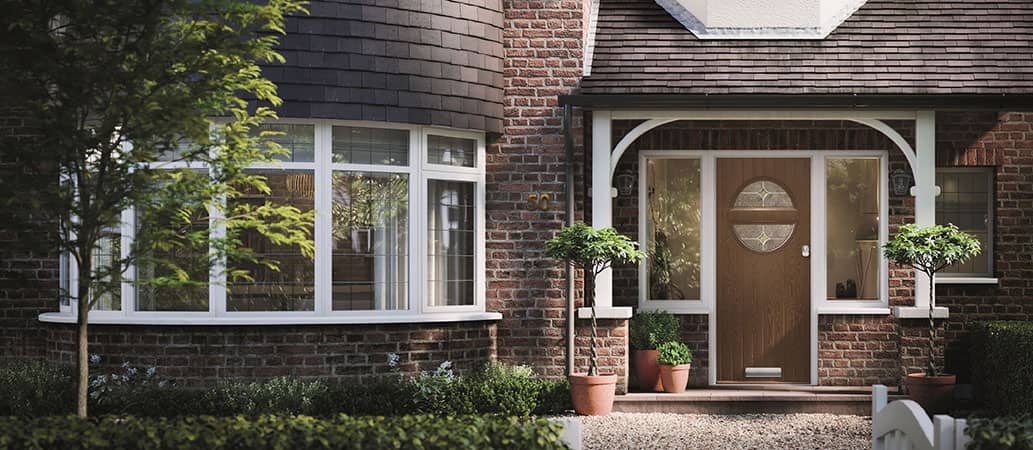
If you’ve already chosen the perfect windows for your home (or are lucky enough to have them in place already), needing a new door can be a bit of a daunting task. You’ll want something that’s secure and efficient, of course, but it also needs to match or complement your existing home style.
Having a cohesive exterior does wonders for your home’s kerb appeal, and helps tie all of your hard work on maintenance and landscaping together. If you’re a homeowner updating the front door, or a trade customer specifying on behalf of a client, it’s a good idea to take a few moments to think about the windows before settling on a door.
Here are our team’s top tips on choosing composite doors that work with your windows and wider home design.
Why Your Composite Door and Windows Should Work Together
Most people pick their new front door by finding a colour they like and ordering it. Simple enough, but that process doesn’t take into account that your door is part of the complete home, not a standalone feature. It likely sits pretty close to your window frames, against rendering and fascias, and in the context of the whole building.
The door and windows are the two elements of a home’s exterior that most people can do something about without undertaking massive structural changes. When they work together (through a consistent palette, complementary designs and styles, coordinated hardware) it brings everything together for a look that’s greater than the sum of its parts.
If they don’t work together, even a good quality door can stick out like a sore thumb and bring the whole facade down.
Matching vs Complementing: What’s the Difference?
If you’ve spent any time on the interior design side of Instagram (or hung around the paint aisle in any DIY store long enough), you’ll know what we mean by matching or complementing colours. The same principle applies to windows and composite door colour.
Matching would mean choosing the same colour for the door as for the window frames. So for example, a black door and black windows. The look is seamless and uniform, and works particularly well on modern properties like new-builds, and is mostly done with classic neutrals like black or anthracite grey (where the colour doesn’t become too striking or overwhelming).
Complementing, on the other hand, means choosing different colours that work well together. That usually takes the form of a neutral window frame with a stronger door colour, but there are lots of possibilities. With a bolder door, it becomes the focal point of the house’s facade. You might have a black composite door with white window frames: that combination works on old-style Victorian terraces just as much as on modern builds. Heritage green doors against cream window frames, a grey composite door style paired with black windows, the list goes on.
The general rule of thumb is pretty simple: for a completely cohesive look, try to match the colours. If you want the door to be a feature, go for complementary shades. Either way, make sure the whole thing looks intentional.
How Different Window Designs Can Work With Composite Door Styles
Of course, the actual frame or composite door colour is only a small part of the overall picture. The style of the windows themselves will also shape which door is the best fit.
Modern Window Designs
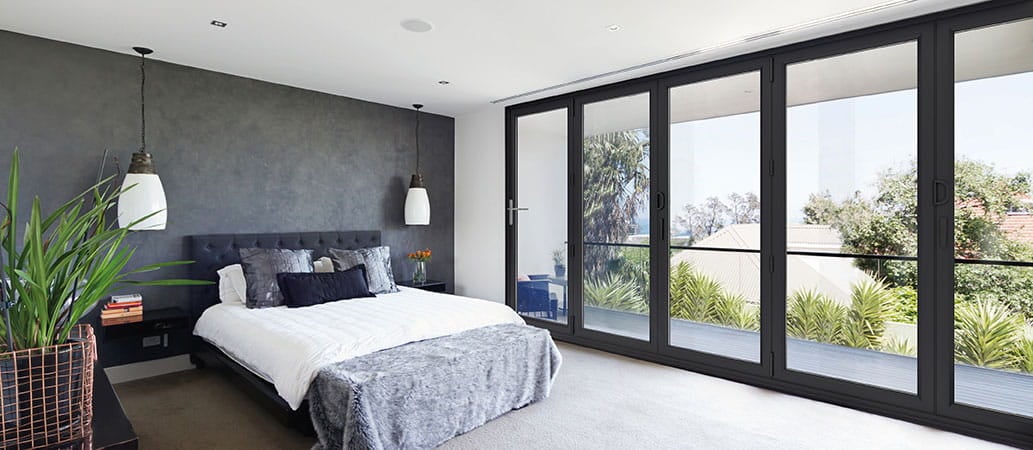
Modern styles (usually aluminium windows with slim profiles) have narrow frames and larger glass panes. The frame itself almost disappears into the background when you’re looking at the house as a whole, which means the door will carry much more weight. That’s actually useful when you’re door shopping, as you get much more freedom to choose.
Anthracite grey is one of the most common colours for modern aluminium window frames, and anthracite doors create a cohesive exterior. Then again, modern windows also look great with a contrasting door; the more neutral frame lets a bolder colour do the talking.
If you want to go for a bold composite door colour, modern slim-frame windows are a great canvas. When it comes to the door style itself, a flat-panel composite door with simple glazing goes really well with contemporary window styles.
Traditional Windows
More traditional properties (for example, those with sliding sash windows or heritage-style casement windows) generally look best with a door that respects the architectural style at play. The design of the door matters just as much as the colour, for these types of buildings. A flat-profile, contemporary door will probably look a bit jarring on a Victorian semi-detached, even if the colour is right.
Panelled composite doors echo the character of traditional timber doors, and work well with traditional window styles too. Glazed panels, fanlights, and sidelights also work well to mimic the multi-pane windows.
For colour combinations, a black door against white sash windows is a pretty classic duo for UK homes. Heritage shades of blues and green are solid choices for period properties, too. For hardware, traditional windows and homes always look good with polished brass or chrome (vs brushed aluminium).
Cottage or Rural Windows
Cottages usually have side-hinged casement windows, often with small-pane glazing, and a warm aesthetic that’s more about character than precision or style. The front door here needs to feel like it belongs to the building, not that it’s been added.
Cottage-friendly door colours include things like sage green, heritage cream, terracotta, and duck egg blue. These warm tones sit naturally against old brick and rural surroundings, especially with woodgrain texture. Black and anthracite, which work perfectly on modern buildings, tend to look a bit out of place on a genuine cottage: a bit overdressed, a bit corporate.
In terms of style, cottage composite doors sometimes opt for a two-panel system, with a top and bottom half, to replicate a traditional stable door. Elsewhere, leaded or textured glazing works well to echo the character of window lights, and ironwork-style handles or knockers add to the overall rustic look.
How to Coordinate Composite Door Colours with Different Window Frame Colours
Style aside, window frame colour is the most direct influence over composite door colour choice. While you won’t need to worry about composite door fading with a good quality product, you do need to consider how the colour will work in sunlight, next to your windows.
The three main colours you’ll see on UK homes (white, black, grey) each come with their own considerations; as we’ve covered, matching isn’t essential, but complementary colours are.
White or Light Window Frames
As you’ve probably already noticed, white or cream window frames are the most common choice for UK homes; they’re also the most forgiving when it comes to door colour choice. Because white’s a neutral, almost any door colour will sit well against it: bright and bold reds, navy blues, or greens; the classic contrast with black; or softer sage greens and heritage tones.
If your frames are more off-white than white, though, it might work best to stay towards the warmer end of the colour palette. Very cool toned doors can look odd against a warm base, so do some swatches to see what works.
Black or Dark Window Frames
Dark window frames are a strong visual statement, so narrow the choices for composite door colour a little.
A black composite door next to dark window frames makes for a contemporary, sleek look that works well against a light render or white-painted building. Against darker brick or render, the combination can feel a bit overworked, so take the brickwork or render into consideration before committing.
Lighter door colours sitting next to darker window frames can work well as a deliberate contrast: a white, cream, or sage green composite door is a great combination.
Grey Window Frames
There’s a big range of grey shades out there for window frames, and the right composite door to go with them depends on the specific tone you’re working with.
Light grey frames are similar to white: fairly flexible, and work well with most door colours. Mid-grey or a darker grey have more visual weight and behave more like black frames: they need a door that balances out with either a clear match, or a clear contrast.
Whether you’ve got light or dark grey window frames, you probably want to stay away from a pale door colour. Even lighter greys have some visual weight, so chances are a lighter toned door is going to quite literally pale into insignificance. If you want a lighter door, go all the way to a bright white for a clear contrast.
Common Style Mistakes to Avoid
We’ve noticed a few things that come up often when composite door choices aren’t quite working out.
Firstly, matching a bold colour across everything can be a bit much. A red on the windows, garage door, front door, fascias, and guttering all at once can be overwhelming; a colour that works well on a few parts can quickly be suffocating when you go overboard. Our advice is to use a bold colour as an accent on one or two main elements.
Another common mistake is choosing a composite door style that doesn’t suit the overall property. Even a perfectly matched (or complemented) can look out of place if the actual door style is clashing with the building.
Forgetting to factor in the exterior wall colour is another thing that happens often. A colour combination that works in isolation for the windows and door can look washed out or even clash with the actual render or brick in practice.
Choosing based on what you see on your phone screen also catches lots of customers out. Door colours often look quite different in person than on-screen, and you also need to factor in daylight and direct sunlight too. If you’re choosing between a few options, consider looking in person if you can; our local National Plastics branches have samples and styles to look at in person so you can see the colours for yourself.
Find the Right Composite Door with National Plastics
Our National Plastics composite door range comes in a selection of styles and colours, across modern and classic designs, all finished in durable woodgrain GRP.
If you’re trying to work out which colour will suit a property best, our team in branch will be able to help. We can also advise on things like hardware finishes and how different colours line up together, so you get the perfect combination.
Take a look at our full composite door range online, or visit your nearest branch to see the shades in person.