Do Composite Doors Fade in Sunlight?
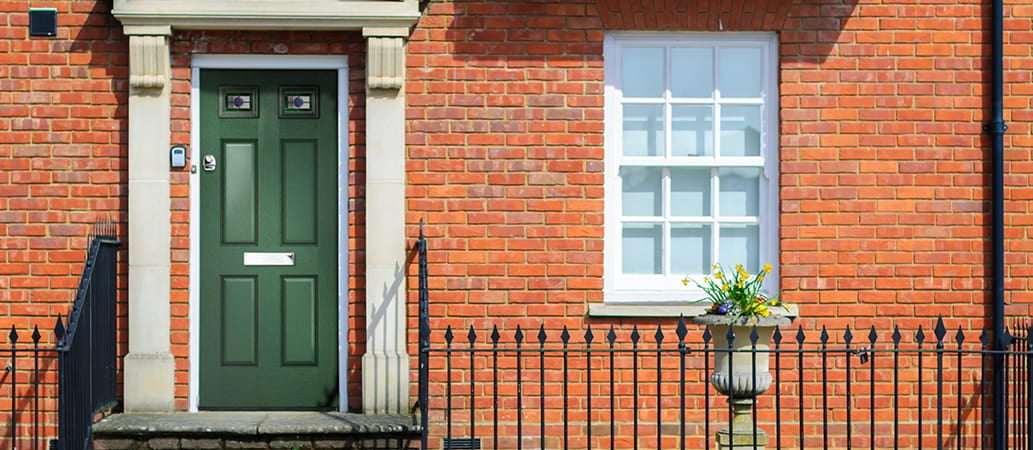
If your home is south-facing, or you've simply got a door that catches the afternoon sun for a good few hours each day, it's a natural thing to wonder: will my composite door hold its colour over time, or will I end up with something that looks tired and washed out in a few years?
It's a fair question, and one worth answering properly before you invest in a new front or back door for your home. So, in this guide, we'll cover how composite doors handle UV exposure, what to watch out for, and how a bit of simple care can keep your door looking sharp for years to come.
Do Composite Doors Fade?
The short answer: not significantly, and certainly not quickly. Well, of course, provided you're buying a quality product.
Modern composite doors are specifically engineered to resist fading, and the better ones are built to retain their colour for 20 years or more under normal UK conditions. How long it lasts and holds its look comes down to the materials used and how the outer skin of the door is manufactured.
So, if colour retention has been at the back of your mind, the good news is that a well-made composite door is a very different prospect than, say, a painted timber door that needs touching up every few years with paint, varnish, and an array of other treatments.
Why Composite Doors Are Resistant to Fading
To understand why composite doors hold their colour so well and resist sun-induced fading, it helps to know a little about how they're made.
As its name suggests, a composite door isn't made from just a single material: it's a combination of components engineered to work together. The outer skin is typically made from GRP (glass reinforced plastic), a material that's moulded under heat and pressure and finished with a UV-stable gelcoat.
That gelcoat is the key. It contains UV-stabilised pigments that are essentially built into the surface of the door itself, rather than painted on top as a coating. Because the colour is integrated directly into the material rather than sitting as a layer above it, there's much less for sunlight to strip away over time.
Once it’s gelcoated, the door has a surface that handles prolonged UV exposure far better than painted timber or coloured uPVC, both of which can bleach, chalk or peel with years of sun exposure. The GRP skin is also non-porous, which means it doesn't absorb moisture that can cause paint to lift or crack, which is another common cause of colour degradation in other door materials.
What Happens to Composite Doors in Direct Sunlight?
Sun exposure does affect materials. It’s annoying, but unfortunately that's just physics. But composite doors are designed with exactly this in mind, and in the vast majority of cases, even a south-facing composite door in the UK will handle direct sunlight without any visible fading or discolouration over its service life.
What you might occasionally notice on darker coloured doors in very sunny exposures is a very slight surface warmth. That’s because composite doors can absorb heat from direct sunlight, which in extreme cases can cause very minor surface expansion. This is a completely normal (and unavoidable) property of the material, not a structural concern, and modern composite doors are manufactured to accommodate it easily. It's nothing like the warping and swelling you'd see with an older timber door in the same situation.
For the vast majority of UK homeowners (even those with south-facing front doors!), composite doors perform consistently and reliably through years of seasonal weather changes.
Can Composite Doors Ever Fade or Discolour?
In the spirit of giving, you the full picture: yes, fading can happen, but it's much more closely linked to product quality and a few specific circumstances than it is to sunlight alone.
Lower-quality composite doors are, unsurprisingly, more vulnerable. Cheaper products from less reputable manufacturers may use fewer stable pigments or thinner GRP skins that are more susceptible to UV degradation over time. Honestly, this alone is one of the stronger arguments for not making price the only factor when choosing: it might feel cheaper now, but likely you’ll be paying more in the long run through constant repairs and, potentially, replacements.
Very dark colours absorb more heat and UV radiation than lighter shades, which can make them slightly more susceptible to subtle changes in appearance over very long periods. Anthracite grey and black doors remain extremely popular (and absolutely do perform well), but it's worth being aware of this if you're choosing a deep colour for a very exposed aspect.
Using harsh cleaning products can also dull or damage the surface finish over time. Solvent-based cleaners or anything abrasive can degrade the gelcoat, making the door more vulnerable to the elements. We’ll go into a bit more detail on that below.
The takeaway: buy a quality door, keep it clean the right way, and fading really shouldn't be something you ever have to worry about.
How to Maintain the Colour of a Composite Door
The good news is that composite doors need very little in the way of upkeep. There's no painting to top up each year, no varnishing to contend with, and no annual treatments that need booking. You’ll just need to consider a handful of straightforward habits that will keep your door looking as good as the day it was fitted.
-
Clean your composite door regularly with mild soapy water.
You might be tempted to invest in expensive cleaners and products, but for the most part warm water and a small amount of washing-up liquid is all you need. Work across the surface with a soft cloth, rinse off, and dry. Doing this a few times a year (or more often after particularly dirty weather) removes the build-up of grime that, if left long enough, can dull the appearance of any door.
-
Stick to gentle cleaning products.
When you are cleaning, avoid anything solvent-based, bleach-heavy or abrasive. These harsh products can break down the gelcoat finish and leave the surface more vulnerable to the elements. If you need something stronger than soapy water for a stubborn mark, a dedicated composite door cleaner (widely available from DIY retailers) is the safest choice.
-
Apply a composite door polish or wax occasionally.
Most manufacturers recommend doing this once or twice a year, particularly on doors in very exposed positions. A good wax adds a thin layer of protection over the gelcoat, helping to maintain the finish and providing a little extra UV resistance.
-
Keep the door frame and seals in good condition.
It's not just about the door itself; keeping the frame clean and the rubber seals intact helps maintain the overall performance and appearance of the installation. Check seals annually for any signs of wear or cracking, and get repairs booked in as soon as possible if they’re needed.
And that's about it. Compare that to a timber door that might need stripping and repainting every three to five years, and it's easy to see why composite has become the go-to choice for low-maintenance front doors.
Other Benefits of Composite Doors
So we’ve established that colour retention is one of composite doors’ standout qualities, but it's far from the only reason they've become such a popular choice. Here's a quick rundown of the other advantages worth knowing about.
Durability and Weather Resistance
Composite doors are built to take whatever the British weather throws at them. The combination of a GRP outer skin, a solid polyurethane foam core, and a robust outer frame means they won't warp, swell, rot or crack through years of rain, wind, frost and temperature swings.
It's a meaningful step up from timber in that respect, and a big part of why composite doors typically come with guarantees of 10 years or more. For a comparison with other materials, take a look at our range of aluminium doors: another excellent option for durability and low maintenance.
Excellent Thermal Insulation
The polyurethane foam core that sits inside a composite door provides a good deal of structural rigidity, but it's also an excellent insulator.
Good composite doors achieve U-values of around 1.4–1.8 W/m²K, well within the requirements for Building Regulations and noticeably better than older timber or hollow-core door designs. In practical terms, that means less heat escaping through your front door, which is good news for both your energy bills and your comfort on cold mornings.
Superior Security
Composite doors’ security is one area where they genuinely shine. The solid construction makes them extremely difficult to force, and they're typically compatible with multi-point locking systems that engage at several points around the door frame simultaneously (far more secure than a single-point lock).
Many composite doors also meet or exceed PAS 24 security standards, which is the benchmark most insurers and building regulations look to. If security is a priority, it's well worth asking about accreditations when you're choosing your door.
Aesthetic Appeal
One of the reasons composite doors have become so dominant in the UK market is genuinely down to how good they look, and how much choice there is. From traditional panel styles to contemporary designs with glazing inserts, from classic white to bold anthracite grey or rich red, there's a composite door to suit virtually any property style or personal preference. That range of options means you can make a real statement at the front of your home without compromising on performance.
Why Choose National Plastics for Composite Doors?
Choosing a composite door is a decision that'll shape the look and feel of your home for decades, so it's worth getting right. The team at National Plastics can help you navigate the options, from door styles and glazing choices to colours and hardware, so you end up with something that works for your home, your budget and your taste.
Whether you're replacing an old door that's seen better days or specifying a new installation entirely, we can offer advice on what to look for, what questions to ask your installer, and which products we'd recommend for your situation.
Browse our composite door range online or visit your local branch to see the options in person and get expert advice tailored to your project. Alternatively, you can send an enquiry online for personalised guidance from our expert team.
FAQs
Do composite doors fade in sunlight?
High-quality composite doors are specifically designed to resist fading, even on south-facing properties with prolonged sun exposure. The outer skin is typically made from GRP with UV-stabilised pigments built into the material, which means colour is retained far better than with painted timber or coloured uPVC. Significant fading over the normal lifespan of a composite door is unusual, as long as you're buying from a reputable manufacturer.
How long do composite doors keep their colour?
Most quality composite doors are designed to retain their colour for 20 years or more under normal UK conditions, and many come with manufacturer guarantees to back this up. The actual performance will depend on the quality of the product, the colour, and how well it's maintained, but a well-made door, kept clean and occasionally polished, should look great for a very long time.
Are darker coloured composite doors more likely to fade?
Dark colours absorb more UV radiation and heat than lighter ones, which can make them very slightly more susceptible to subtle changes in appearance over many years. In practice, anthracite grey and black composite doors are extremely popular and perform well in UK conditions, but if you have an intensely sun-exposed aspect and longevity of colour is your top priority, it's worth discussing this with your supplier.
Can I repaint a composite door if it fades?
Yes, composite doors can be repainted if needed, though it's not common. The surface needs to be properly prepared and a suitable exterior paint used to get a good, lasting result. Most composite door specialists can advise on this. In practice, a quality composite door should rarely need repainting within its expected lifespan.