Bay vs Bow Windows: Which Suits Your Home Best?
Choosing the right kind of windows for your home is by far one of the most important decisions. Windows let natural light in, allow your home to breathe, and give you that all-important view of your garden or the outside world.
But choosing between the many types of bay windows, bow windows and more can get a bit confusing - how do you know which one is right for your property, style and budget? Pardon the pun, but the best choice when window shopping isn’t always clear.
In this blog, our team breaks down the bay vs bow window debate so you can understand the styles, costs, and benefits of each.
What Is a Bay Window?
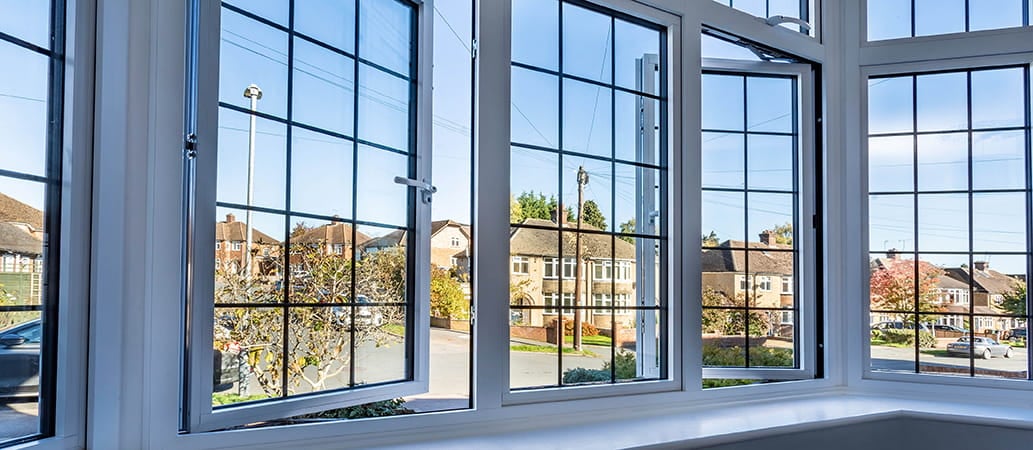
A bay window is a window space that projects outwards from the walls of a building, forming a "bay" shape in a room. Bays are usually made up of a bigger central pane of glass with a smaller pane on either side (usually at a 30, 45, or 90-degree angle).
If you’ve seen a bay window, you’ll already know that they’re a bit of a showstopper. They’re stylish and striking, and make a great feature for a range of styles. Bays were a staple of classic Victorian and Edwardian architecture, used to signal status and elegance. On more modern homes, they’re often used to break up flat facades and add a bit of character.
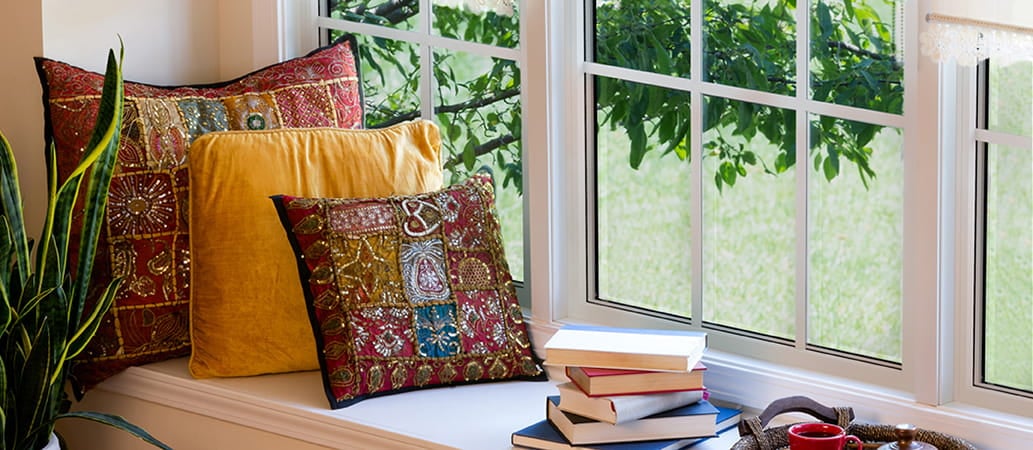
Because they stick out from the walls, bay windows actually add more space to your room, so they’re a great (and functional) way to boost your square footage. That extra depth is perfect for adding in-built storage benches or a cosy reading nook too. Aside from adding space, one of the main benefits of a bay window is the added light it can bring in; because the three panes capture daylight from multiple angles, bays have a habit of making rooms feel significantly airier.
Common Types of Bay Windows
Even within the category “bay window”, you’ve still got a few style choices (see, we told you it gets confusing). Let’s go through the main types:
- Angled Bay: This is the classic look you’re probably already picturing. It features a flat front and slanted sides (usually at 45 degrees). Angled bay windows are very common in residential living rooms.
- Box Bay: These project at a 90-degree angle, forming a rectangular shape. We’ve seen these often used for kitchen "garden windows" to hold plants, and they suit contemporary homes really well.
- Bow-Fronted (Canted) Bay: For those who can’t quite decide! This is a hybrid style that uses flat panes, but more of them (actually usually four or more) to create a semi-hexagonal look that starts to mimic a curve.
Typical Materials and Configurations
Once you’ve settled on the style of bay window you’re after, you’ll also need to consider what it’s made of. Obviously, it’s still an external window, so it needs to be sturdy, weatherproof and up-to-code.
Aluminium is usually the choice for modern homes and homeowners doing rejuvenation work on properties. Aluminium windows generally have the slimmest frames, which maximises the glass surface area or an updated sleek, modern look.
uPVC is often a popular choice for standard bay windows, with a good level of thermal efficiency for keeping heat in. It’s also usually a budget-friendly option that requires very little maintenance. For those restoring period properties, timber bay windows are often the choice for authenticity; while warm, these usually require quite a bit of upkeep (particularly re-painting and varnishing).
When it comes to glazing bay windows, it’s best to go for Low-E glass for the top energy efficiency: it keeps your bills down, and your heat levels up. If you’re street facing or in a busy area, adding acoustic glazing is a great option too; the bay is also sort of a megaphone shape, so if not glazed properly it can sometimes amplify outside noise.
What Is a Bow Window
Ok, let’s move on to the other option. Bow windows are curved, as the name suggests. Like bay windows, bows project out from the room; the difference is that rather than sharp angles, here you’ll find multiple equal-sized panes (usually 4-6 sections), creating a smooth, rounded arc. The gentle curve gives bow windows a look that’s a bit softer than the rigid, structured lines of a bay.
The wide arc of the glass panes gives a panoramic view from the inside, so bow windows are a good choice if your room overlooks a vista or if you’re south-facing and want to catch more sunlight for longer periods throughout the day.Common Types of Bow Windows
Let’s break down the different types and styles for bow windows.
- 3-Segment or 5-Segment: MA bow window "type" is usually defined by the number of actual window units, or panes. A 3-segment bow will give you a nice subtle arc; a 5 or 6-segment bow creates a dramatic, deep curve
- Replacement Bows: These are often specifically designed to be installed into a standard flat window opening using a "bow kit," which creates the illusion of a projection without needing deep, purpose-built foundations.
Typical Materials and Configurations
Because of their curved shape, bow windows often use specialised corner posts to connect the flat frames at shallow angles to achieve the arched glass effect. uPVC or metal are the industry standard materials, since they’re best matched to the complexity of the bend required.
Because there are a few more joins between the different panes of glass here, it’s incredibly important that bow windows are properly sealed to prevent drafts getting in and heat getting out.
Bay vs Bow: Key Differences Explained
Let’s get into the nitty gritty, what you really came for. What’s the difference between a bay window and a bow window, anyway?
We need to start with a technicality: technically, all bow windows are a type of bay window, but not all bay windows are bow windows. Now we’ve got that out of the way, let’s dig into the more specific differences between these two styles.
Shape, Structure and Visual Impact
- Bay: Think angular, sharp, and structural. It feels like an extension of the house's architecture.
- Bow: Rounded, fluid, and decorative. It feels like a high-end design feature added to the wall.
Light, Space and Room Feel
When it comes to space, bays win on floor surface area. You can usually walk into a bay window, or add storage for extra room. That being said, bows win on ready-to-go shelf space, with a wide internal ledge that’s perfect for decor.
From the light perspective, bows offer a wider field of view (up to 180 degrees), providing a more "cinematic" light distribution, though you’ll still get plenty of natural light through the bay’s triple pane system.
Installation Complexity and Structural Considerations
Bay windows often need a lintel (a structural beam) and a small roof or "cap" because they are heavy and project significantly. These pieces help support the structure so the building’s walls don’t sag or suffer any damage.
Bow windows often "hang" off the wall using heavy-duty brackets. They are often retrofitted into existing flat window openings, making them slightly less intrusive structurally than a full ground-to-ceiling bay.
Which One Is More Expensive?
There are a few factors that can affect how much a bay or bow window costs, including:
- The number of openings: Do you want all panes to open, or just the side ones? Each hinge or opener adds to the cost.
- Materials: Timber is most expensive, followed by Aluminium, with uPVC being the most cost-effective.
- Roofing: If the bay requires a new lead or slate roof, the price will jump significantly.
Pros and Cons of Bay and Bow Windows
So, now you know your bays from your bows, how do you decide? If you’re still deciding between the two, here are some things to consider before you choose.
| Feature | Bay Windows | Bow Windows |
|---|---|---|
| Pros | Adds actual floor space; great for window seats; more classic/traditional look. | Big curb appeal; wider views; easier to retrofit to flat walls without huge renovation. |
| Cons | More complex structural work; can feel a bit "boxy" in small spaces. | More expensive; less walk-in/floor space; more frames due to more panes, which can block views. |
Making the Decision
Let’s get down to brass tacks. Now you know the difference between bay and bow window styles, here’s how to make the decision on which to install.
Think about the style of your home. If you have a Victorian terrace or other more historic build type, a bay is almost always the right choice. For a 1930s semi or a modern home, a Bow can add a touch of luxury. Of course, these aren’t hard and fast rules, and either can work really well with any building when done properly.
Think about what you want the window to add to your room, too. For example, if you want a place to sit or more storage you’ll be after a bay, whereas if you just want more light and a better view, a bow might work well.
Of course, cost is also an important consideration. If you’re on a tighter budget, a 3-pane uPVC Bay is often the most economical way to get that projecting look, though investing in a high-quality window often adds value to a property so it can pay off in the long run.
Get Expert Advice from National Plastics
Choosing windows isn't just about looks; it's about structural integrity and thermal ratings. The team at National Plastics can help you navigate the technical jargon and choose the right option for your property.
Every home is different. We can help you figure out if your wall can support a bow window or if a bay would require planning permission. Visit your local branch to browse available options and get some expert advice.
Visit a Branch or Submit an Enquiry
Don't guess, get it right the first time. Visit one of our local branches to see bay and bow window materials in person, or contact us for a tailored quote.
FAQs
What is the main difference between a bay and a bow window?
The main difference between bay and bow windows is the shape. A bay usually has three window panes set at angles, creating a more angular projection. A bow window uses four to six equal-sized panes arranged in a gentle curve, creating a rounded appearance. Bay windows feel more structured, while bow windows have a softer, curved look.
Is a bow window a type of bay window?
Technically, yes. All bow windows are considered a type of bay window because they project outward from the wall. However, not all bay windows are bow windows! The term “bay” is broader and includes angled designs, while “bow” specifically refers to curved designs.
Which lets in more light?
Both styles increase natural light compared to flat windows. Bow windows often provide a wider field of view because of their curved design, which can capture light from multiple angles throughout the day. Bay windows also bring in plenty of light thanks to their multi-pane layout.
Do bay windows add more space?
Yes, bay windows normally add more usable floor space because of their angular projection. Many homeowners use this extra depth for seating, storage benches, shelves or display areas. Bow windows create additional interior ledge space but usually offer less walk-in floor area.