How Long Do Bi-Fold Doors Last?
Investing in a set of bi-fold doors is a bit like buying a high-end car or a piece of statement furniture; it’s a significant decision that transforms how you use your home. Naturally, one of the first questions homeowners and tradespeople ask is: "How long is this going to last?" After all, you’re not just buying a door; you’re buying decades of summer garden parties, seamless transitions to the patio, and hopefully, very few headaches.
In this guide, we’ll explore the typical lifespan of bi-fold doors in UK homes, what really affects their durability, and (most importantly) how you can make sure they stay as smooth as the day they were installed.
What Is the Average Lifespan of Bi-Fold Doors?
When we talk about the "average" lifespan of doors, it’s important to remember that there isn't a fixed expiry date stamped on the frame. However, for a high-quality installation in a typical UK home, you should realistically expect your bi-fold doors to last anywhere between 20 and 45 years.
This is a broad range, and that’s because longevity is less about a countdown clock and more about the important trio of quality, usage, and care. A door that is used five times a day in a coastal environment with loads of salt-spray in the air will face different challenges than one used twice a week in a sheltered suburban garden.
Setting realistic expectations early on helps you understand that while these doors are built for the long haul, they aren't "fit and forget" items and they aren’t invincible.
How Long Do Aluminium Bi-Fold Doors Last?
If you’re looking for the marathon runner of the door world, aluminium doors are the undisputed champion. While timber doors have a classic charm, they are prone to rotting and warping if the paintwork isn't fastidiously maintained. Similarly, while uPVC is budget-friendly, it can expand and contract significantly in the heat, which can put a strain on the mechanisms over time.
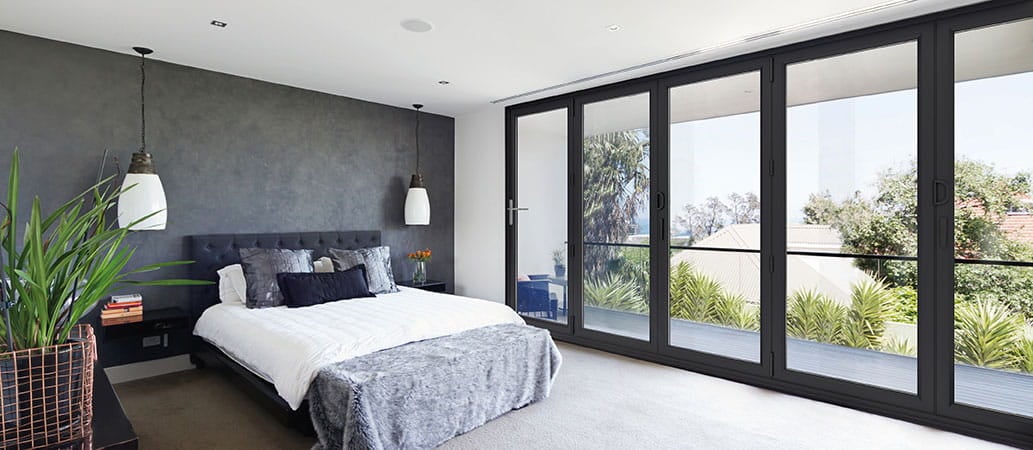
Aluminium bi-fold doors are known for their incredible durability and longevity for a few key reasons:
- Structural Strength: Aluminium is a lightweight but exceptionally strong metal, meaning the frames don't sag under the weight of large glass panes.
- Weather Resistance: It doesn't rot, it doesn't rust, and it doesn't warp in the sun.
- Finish Longevity: Most aluminium doors are powder-coated, a process that creates an incredibly tough finish that won't peel or flake like traditional paint.
In many cases, an aluminium bi-fold door will easily reach the 40-year mark if it's looked after well.
What Factors Affect the Lifespan of Bi-Fold Doors?
It’s rarely just one thing that determines when a door reaches the end of its life; it’s usually a combination of factors working together.
Material Quality
Just because a door looks good on the outside doesn’t mean it’s reliable on the inside. The quality of the raw materials (the grade of the aluminium, the thickness of the glass, and even the "marine grade" of the finish) plays a massive part in how the door stands up to the years.
Higher-quality materials might cost more upfront, but they pay for themselves by performing better over time and resisting the wear and tear that usually kills off cheaper alternatives. Would you rather invest in a quality door now (that you’ll likely use every day), or have to fork out on cheap replacements every couple of years?
Installation Quality
You could buy the world’s most expensive door with all kinds of additions and gizmos, but if it’s fitted poorly, it won't last ten years. Professional installation is vital and shouldn’t be overlooked. If a door isn't perfectly level or the tracks are slightly "out of true," the rollers and hinges have to work twice as hard to make up for it. This leads to premature wear, alignment issues, and eventually, a door that sticks or refuses to lock… all of which drastically reduce its lifespan.
Usage and Daily Wear
Think about the traffic your door will see. If your bi-folds are the main exit to the garden and get opened dozens of times a day by kids and pets, the hardware (the tracks, hinges, and locking mechanisms) is under constant stress. Doors in high-traffic areas will naturally show signs of age faster and will require a bit more frequent TLC to keep them in top shape.
Weather Exposure
We all know the British weather can be… let’s say, challenging. External bi-fold doors are on the front line against driving rain, gale-force winds, seemingly random hail showers and the occasional summer heatwave.
Constant exposure to moisture and temperature fluctuations can affect the seals and the lubrication in the tracks. If you live in a coastal area, the salt in the air can be particularly aggressive, making regular cleaning even more important.
How to Extend the Life of Bi-Fold Doors
The good news is that you have a lot of control over how long your doors last. A little bit of regular care can significantly extend their lifespan and keep them feeling like new.
Regular Cleaning and Maintenance
Dust and grit are the enemies of a smooth glide. When dirt builds up in the bottom track of bi-folding doors, it acts like sandpaper against the rollers.
Try to remember to vacuum the tracks themselves for the best lifespan. Once a month, run a vacuum nozzle along the bottom track to remove stones, pet hair, and debris.
You can also use a soft cloth and warm soapy water to clean the aluminium frames and the glass. This prevents grime from eating into the finish, which can help keep doors looking and working like new for longer.
Checking Tracks, Hinges, and Hardware
You don’t need to wait for a problem to appear to keep up with maintenance. Every six months or so, apply a small amount of silicone-based lubricant to the hinges and the rollers. (Avoid heavy oils or WD-40, as these can actually attract more grit).
Periodically check the screws on the hinges and handles, too. Vibrations from daily use can occasionally loosen things, and a quick turn of a screwdriver can prevent long-term damage.
Signs Your Bi-Fold Doors May Need Repair or Replacement
How do you know when it’s time to call in the experts? Look out for these warning signs:
- A Heavy/Sticky Slide: If the door suddenly feels much heavier or requires a real shove to move, the rollers may be worn or the track may be misaligned.
- Visible Draughts: If you can feel a breeze coming through when the door’s locked shut, the seals may have perished or the door might have shifted out of alignment
- Operational Issues: Difficulty engaging the multi-point lock is often a sign that the panels have dropped slightly. If you find yourself having to jiggle the handle or hold it in place to lock, that’s a sign it might be time to make a change.
Often, a simple realignment or a new set of rollers can fix these issues. However, if the frames are physically damaged, the glass has blown (e.g. if you can see condensation between panes), or the material has started to degrade significantly, a full replacement is usually the safer, more energy-efficient option.
Are Bi-Fold Doors a Long-Lasting Choice for UK Homes?
The bottom line? Yes, bi-fold doors are a staple of UK homes for a reason. When you choose a high-quality system (especially aluminium), ensure it’s professionally installed, and give it just a few minutes of maintenance a couple of times a year, bi-fold doors are an incredibly durable, long-term solution. They are built to withstand the unique rigours of the UK climate and the demands of modern family life, and make the perfect addition to a patio space or back door in any property.
Get Advice on Bi-Fold Doors from National Plastics
At National Plastics, we’ve seen first-hand how the right door can transform a home for decades. Whether you are looking for advice on screws and fitting, need the right tools and accessories for maintenance, or are ready to choose your first set of aluminium bi-folds, we’re here to help.
Visit a Branch or Enquire Online
- Pop into your nearest branch to feel the quality of our aluminium frames and get a real sense of the "glide".
- Every project is different. Whether you’re a homeowner planning a renovation or a builder looking for a reliable supplier, we can provide tailored advice to ensure your doors last a lifetime, so get in touch with our team.
FAQs
How often should I clean my bi-fold door tracks?
For most homes, a quick vacuum and wipe-down once a month is perfect. If you live near the coast or in a particularly dusty area, you might want to do this every couple of weeks to prevent salt or grit buildup.
Can I fix a bi-fold door that is sticking?
Often, yes. Sticking is usually caused by debris in the track or the door dropping slightly on its hinges. Cleaning the track and checking for loose screws on the hinges is the best place to start. If that doesn't work, a professional can usually realign the panels for you.
Is aluminium really better than timber for longevity?
In the UK climate, generally yes. Timber is a beautiful natural material, but it requires regular sanding and painting to prevent rot. Aluminium is virtually maintenance-free by comparison, as it won't rot or warp when exposed to rain and sun.
Do I need to lubricate the tracks?
You should focus your lubrication on the moving parts like the hinges and the rollers themselves. Avoid putting grease or oil directly into the track channel, as this will just catch dirt and turn into a sticky paste that eventually causes more friction.