What Are Acoustic Panels?

Acoustic panels are becoming an increasingly popular addition to many homes and places of work. With their ability to reduce echo and absorb internal and external noise, they are ideal for anyone looking to improve sound quality within a particular space. But how do acoustic panels work? And where can they be used? This blog aims to find out.
How Do Acoustic Panels Work?
Acoustic panels work by absorbing sound rather than reflecting it. Their 3D slatted design provides a cushioning effect which minimises echo and enhances how speech or audio sounds within a room. For example, when in a restaurant, bar, or work place you may notice how hard it can be to hold a conversation due to noise. This will be due to poor acoustics. Hard, flat surfaces, such as tile or brick, will reflect sound back into a room. By adding acoustic panels, this sound is absorbed rather than bounced around, creating an acoustically comfortable atmosphere.
Do Acoustic Panels Work?
Yes, they do! Acoustic panels have long been used in recording studios to enhance audio sound quality, which is how we know they will work in your home or place of work. However, there are a few factors which can impact the effectiveness of acoustic panels.
- Placement - the location of acoustic panels will have an impact on their performance. For example, placing panels around your TV or sound system will help to absorb early wall reflections and enhance sound, whilst installing panels to the back of you will minimise sound reflections from behind.
- Room size - the size of your room may impact the effectiveness of acoustic wall panels. Obviously the larger the room the more surface area there is for sound to bounce off. As such, you may need to use many panels to achieve the acoustics you want. Alternatively, a smaller room will need less panels, but their placement will be important.
- Material - the materials from which your wall panels are made will influence their acoustic qualities. For example, those from National Plastics are made from sustainably sourced wood and recycled felt. Combined, these make for a 'soft' surface, which is capable of absorbing unwanted sound whilst enhancing the acoustic experience.
Benefits of Acoustic Wall Panels
As previously mentioned, acoustic panels are perfect for both home and commercial environments. But why? Here are just a few benefits acoustic wall panels offer:
- Improved audio sound
- Improved speech clarity
- Reduction in echoes
- Enhanced privacy
- Create a comfortable acoustic environment
Overall, acoustic wall panels create a more relaxed and calmer environment, in which it is easier to hear those sounds you wish to hear and eliminate those you don't.
Are Acoustic Panels Also Soundproof?
No, acoustic panels are not soundproof. Whilst they absorb some sound, they do not block it entirely. This means sound can pass through walls, both from the outside in and vice versa. If you are looking to soundproof a room, then you need to invest in specific soundproofing materials such as acoustic foam, acoustic membrane, or acoustic boards.
Where Should You Place Acoustic Panels?
The placement of your acoustic panels will depend on a variety of factors from the size and shape of the room to your specific needs. However, there are some general guidelines which may help.
- Reflection points - this is one of the most important considerations when installing acoustic wall panels. Reflection points are areas where sound reflects off a hard surface and creates an echo or reverberation. By identifying these reflection points and installing acoustic panels in these areas, you should significantly reduce echoes and reverberation and enhance sound quality.
- Absorption coefficients - the absorption coefficients of the materials used to make the acoustic panels are an important factor to consider. The absorption coefficient is a measurement of how effectively a material absorbs sound. For example, acoustic panels covered in fabric have a high absorption coefficient, which makes it more effective at absorbing sound that bare stone or tile. This absorption coefficient is something to bear in mind when choosing your new acoustic panels.
Bearing these two factors in mind, you should be able to place your new acoustic panels in the perfect place for your room and requirements.
Shop Acoustic Panels at National Plastics
If you're looking to improve the acoustics in your home or business, call our friendly knowledgeable team today on 0800 22 77 77 for more information on our acoustic panel range.
Related Posts

Introducing Zest Acoustic Wall Panels
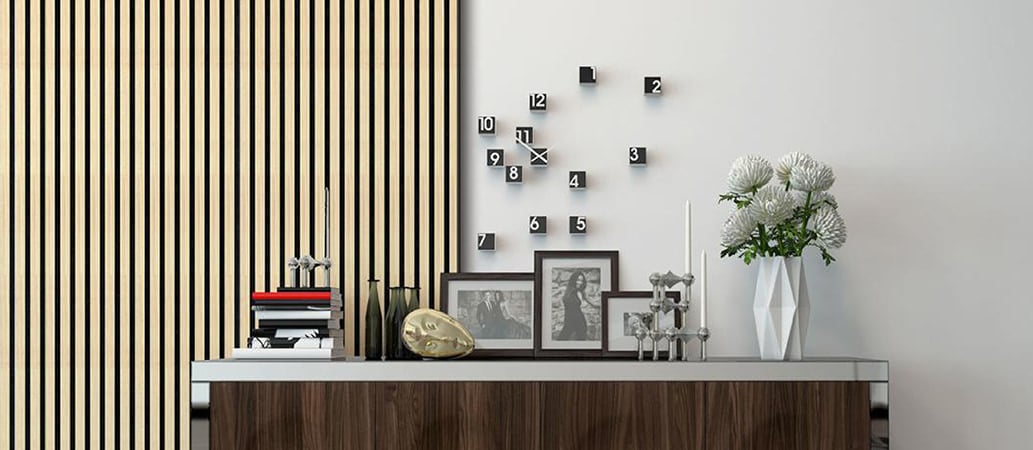
How to Install Slat Wall Panels
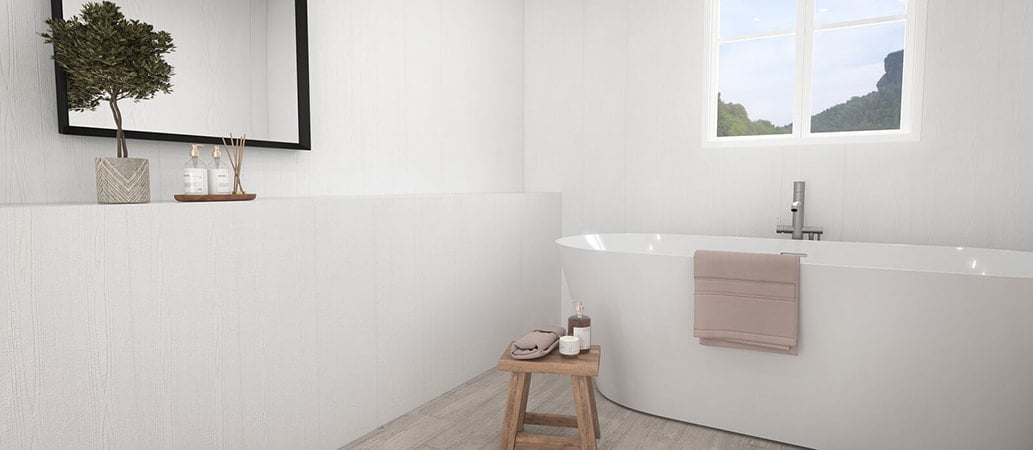
Renovating Your Bathroom with Zest Wall Panels
Can You Paint Over a Bathroom Panel?

Can I Put Acoustic Panels Behind My TV