


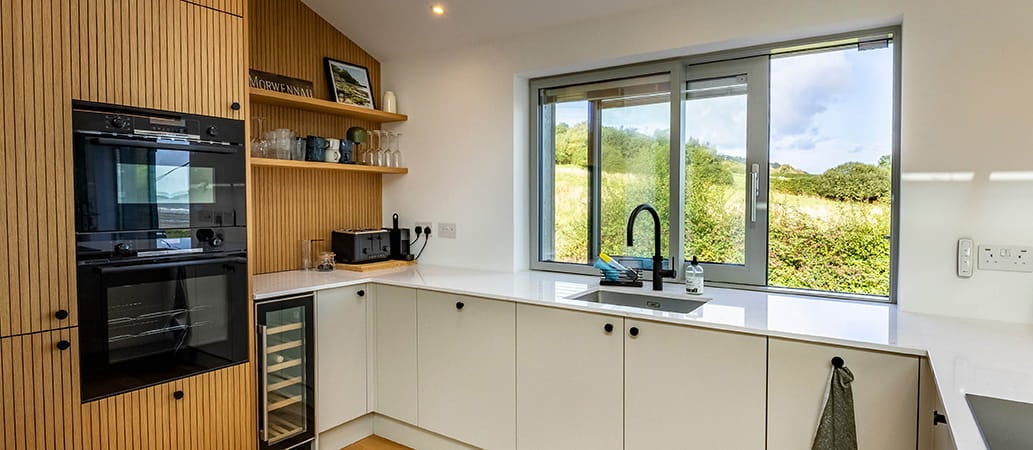
What Is a Sliding Sash Window?
You wouldn’t be too far off if you called the sliding sash a quintessentially British window. Even if you think you don’t, you know about sash windows: two layered panels of glass (these are the sashes) that slide over one another to open. With roots in Georgian, Victorian and Edwardian architecture, sliding sash windows are a defining characteristic of so many classic building styles across the country.
However, while sash windows might look traditional, they’ve evolved over the years to offer excellent performance with modern engineering. Forget about the old rattling and drafty windows in your grandparents’ house: modern sliding sashes are the perfect modern window.
We’ll go through the practicalities of sliding sashes in this blog, from how they move and how much they cost, to all their energy efficient benefits and advantages for modern homes.
How Sliding Sash Windows Work
The clue’s in the name: sliding sashes work differently to other windows like casement styles because they slide to open. A double-hung sash means that both panels of glass move; you can slide the bottom panel up to open the window at the lower level, and move the top part down to circulate air a bit higher. The meeting rail between the two panels is where the locks are, and is essentially the structural core of the window.
Traditionally, sash windows worked with spring mechanisms and old-school weights and pulleys: lead weights would be hidden within the frame and balanced with a cord to open. However, we’ve moved past this slightly clunky system, and modern uPVC sash windows use spiral balances. They’re spring-loaded tension tubes that do all the heavy lifting, taking up less space and providing a much smoother, weightless glide.
Traditional vs Modern uPVC Sliding Sash Designs
Let’s look at the specific ways modern sliding sash windows are different to their more traditional counterparts.
Modern uPVC sash windows maintain the classic, traditional look of timber windows, while also offering modern efficiency improvements that contemporary homes need. Here’s a bit more detail:
| Feature | Traditional Timber Sash | Modern uPVC Sliding Sash |
|---|---|---|
| Aesthetics | Authentic wood grain and joinery; essential for Grade I or II listed buildings. | High-quality woodgrain foils and "run-through" horns (decorative corners) make it nearly indistinguishable from wood. |
| Maintenance | The traditional sash window needs a lot of TLC. Requires sanding, painting, or staining every 5–8 years to prevent rot and peeling. | A quick wipe with soapy water once or twice a year is all that’s needed to keep them looking new. |
| Durability | Can last many years if meticulously maintained, but often prone to warping, wood rot or sticking. | Typically lasts 25–35 years without warping, swelling, or corroding in the British weather. |
| Energy Efficiency | Older versions are notoriously "leaky." Modern versions are better but can be expensive to spec to high levels. | Multi-chambered frames and precision weather-stripping provide "A" rated thermal performance as standard. |
| Draught Proofing | Not the most reliable. Wood expands/contracts with seasons, which can lead to gaps and "rattling." | High-performance, precision-engineered seals ensure a tight fit that blocks wind and noise consistently. |
| Cost | Timber sash windows come at a premium. Significant investment due to material costs and the skilled craftsmanship required. | uPVC sash windows are the cost-effective solution. Offers the premium "heritage" look at a much more accessible price point. |
Are Sliding Sash Windows Energy Efficient?
Modern uPVC sash windows are designed to be energy efficient.
But let’s address the elephant in the room for anyone who’s experienced old-style sash windows before: they were notorious for letting all the cold air in and being a bit leaky.
The good news? New, modern uPVC sash windows are significantly more efficient. Good quality glazing and reliable frame materials means most new sash windows easily meet current UK Building Regulations for thermal efficiency. Seals and frame technology have been designed to maintain the classic look while eliminating all the age-related problems and drawbacks.
Replacing older single-glazed sash windows with modern double-glazed units will help you dramatically reduce heat loss, get rid of those pesky cold spots, and decrease heating bills. What’s not to love?
What Affects Energy Performance?
There are a few factors that can affect energy efficiency and thermal performance with sash windows:
- Glazing: The quality and style of window glazing has a huge impact on energy performance; modern double or triple glazing are the best options.
- Weather seals: Modern sashes use high-density brush piles and rubber gaskets at the meeting rails to stop whistling winds, offering excellent thermal protection.
- Multi-chambered frames: Like casements, the uPVC frames contain air pockets that act as a thermal barrier between the cold outside and the warm inside.
- Frame quality: Naturally, choosing reliable, good-quality window frames and seals is the best way to guarantee good performance. Cheaper frames might cost less in the beginning, but the outlay on energy bills and maintenance soon adds up.
How Much Do Sliding Sash Windows Cost?
As with any other window style, the cost of sliding sashes differs depending on the overall size of the unit, the glazing choice, the frame materials, and any complexities with the design/install. Because the sliding mechanism is more detailed than a standard casement window, sashes are generally a bigger investment.
When it comes to materials, uPVC is usually more affordable than timber alternatives, also coming with a lower maintenance requirement. You get the same aesthetic look and style for a fraction of the price, with the added bonus of not having to worry about warping or treating the wood.
In general, a sliding sash window is an investment in your property value, and it can significantly pay off in the long run. To add a classic look, or to keep up appearances for traditional properties in conservation areas, the sash style is really important for resales.
Factors That Influence Pricing
Getting into the specifics, there are a few sliding sash features and decisions that can impact the price of the unit. If you’re trying to keep the cost down, or you’re deciding on which features are essential, have a think about these additions:
- Georgian Bars: These are the internal or "Astragal" (fixed to the outside) bars that create the traditional ‘grid’ look associated with sashes. They’re classic, but they can add to the labour and cost.
- Hardware Finishes: Upgrading from standard white to more traditional-style hardware (gold, chrome, or black sash eyes and lifts) will usually add to the price, but might be important for the style of your property.
- Toughened Glass: Bear in mind that toughened window panes might be required by law for windows in certain positions (like low-level or near doors), which can impact the unit price.
Are New uPVC Sliding Sash Windows Really Draughtproof?
Modern uPVC windows are made with advanced seals and technology specifically designed to prevent draughts. We’ve all learnt from the rattles and leaks of windows from the past! Where timber sashes were prone to letting in cold spots and breezes, modern sliding sash windows are tightly sealed and precision-engineered with interlocking meeting rails that click together to create a solid barrier.
Today’s sliding sash windows are specifically created with more than aesthetics in mind; they’re designed to stand up to today’s weather and energy demands. Modern designs tend to use multiple layers of wool-pile fin seals that stay flexible and block air, even in high-wind coastal areas. So, in a nutshell, yes a modern uPVC sash should be just as airtight as a casement window.
How to Clean a Sliding Glass Window
One of the things that puts so many of us off window cleaning is the idea of having to clamber up ladders and precariously balance buckets of water at a great height. It’s understandable, and it’s no small issue.
So, you’ll be pleased to hear that cleaning uPVC sliding sash windows doesn’t need to involve any aerial acrobatics. Most sashes these days have a tilt function, so you can unlatch the sash panes and swing them inwards to clean. So, you can carefully wipe down the exterior glass of your upstairs rooms from the safety of your bedroom, no balancing act required.
Safe and Simple Cleaning Steps For Sliding Sash Windows
Here’s a basic step-by-step guide on how to clean a sash window properly:
- Slide and unlock: Slide the sash up slightly and engage the tilt buttons fully.
- Inward swing: Gently pull the sash toward you (supporting the weight and making sure there’s nothing in the way).
- Wipe down: Use a standard glass cleaner or soap and water on the pane, and a damp cloth on the uPVC frame.
- Track maintenance: When you need to, it’s useful to clean out the bottom track of the window with a handheld vacuum or stiff brush, to make sure the mechanisms stay free of grit and dust.
Should You Choose Sliding Sash Windows?
So, we know modern sashes are weatherproof and energy efficient, plus easy to clean. So are they the right choice for you?
For period homes or anyone after the traditional look, sash windows are often the only choice that fits the bill. Equally, modern sliding sashes are great for modern homes where you want to add a touch of luxury and controllable ventilation.
When you’re deciding on windows, consider your budget (uPVC frames are typically the best value), your time (do you have the time to commit to the heavy maintenance of timber window frames), and the look you’re going for.
Speak to the Experts at National Plastics
If you’re not sure on which style or size to pick, our team is here to help. We deal with all things sliding sash, so can help you choose the right "horns", bars, and colours to match your street's aesthetic. You’ll get personalised advice from our experts, and can see all the choices and styles available at your local store.
You don’t have to compromise on the classic look while making the smart efficiency choice either; our uPVC sash windows are designed to replicate the weight and feel of timber while providing 21st-century security.
Visit a Branch or Send an Enquiry
Find your local National Plastics branch to actually feel our uPVC sashes' slide and tilt mechanisms in person. You’ll also be able to check out frame styles and sizes and ask our team for advice on everything from installation to maintenance.
Fill in our quote form to find out more about the options available. Whether it’s for a single replacement or a full-house renovation, our staff can provide a tailored breakdown of all the options that fit your budget.
FAQs
What is a sliding sash window?
A sliding sash window is made up of two panels, known as sashes, that slide vertically past one another to open and close. In a double-hung design, both the top and bottom sashes can move, allowing flexible ventilation.
How do modern sliding sash windows stay open?
Traditional sash windows used weights and pulleys hidden within the frame, whereas modern uPVC sliding sash windows use spiral balances, which are spring-loaded mechanisms that support the weight of the sash and allow it to glide smoothly without dropping.
Are sliding sash windows energy efficient?
Yes! Modern uPVC sliding sash windows are designed with double or triple glazing, multi-chambered frames, and high-performance weather seals. These features help prevent draughts and reduce heat loss, meeting current UK Building Regulations for thermal performance.
Do sliding sash windows suit modern homes?
While traditionally associated with Georgian and Victorian properties, modern sliding sash windows also work well in contemporary homes. Woodgrain finishes and custom colour options mean they complement a range of architectural styles, and the classic look really never goes out of style.


